Getting Started
Genealogy can be a fun hobby – and for some it can become a passion. It can seem like getting started is the hardest part but these practical steps can help you get begin your genealogical journey the right way and avoid common mistakes.
It begins with one person
A family tree or pedigree chart is an easy way to show the ancestors of a specific person. That person is the base or foundation of your tree, and the chart will grow with each generation of relatives you add going back in time.
To begin your Family Tree you’ll need to pick someone to be your STARTING PERSON, maybe yourself, a parent or a spouse. It’s best if you know some basic facts about the person, like where and when they were born, who their parents were, and whether they were married.
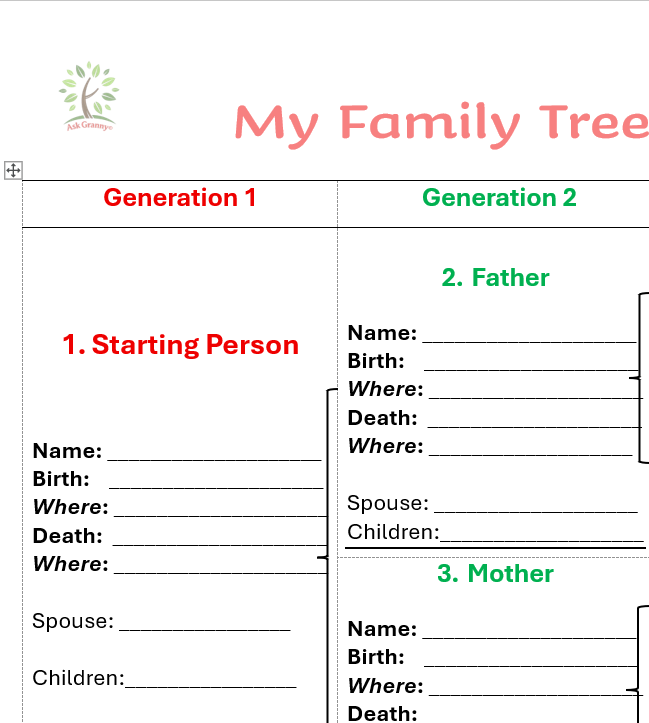
When you’ve decided who your starting person will be, print your blank Family Tree, sharpen a pencil and start filling in all of the names, dates and places you know. Once you get some information on paper, you can move the information to a computer but we recommend using old school methods as you start. Here are some tips to make it easier:
Start with what you know
Just like a house, genealogy builds from the bottom up. The foundation of your family tree is built on the names, dates and places you know or can find easily. Fill in as much as you can, then ask family members and look through family papers, photos and scrap books to get more.
Document Consistently
You want others to be able to use what your work, whether they are looking at it tomorrow or 100 years from now. To help make sure they can read and understand what you record, we suggest you use “Granny’s Rules”:
- Write on paper. Technologies change and can’t be accessed. Remember floppy disks?
- Use a pencil (mistakes happen!) and print clearly.
- Use full name, and for women, use their maiden names.
- Dates are written date first, full month, then the year with 4 digits. Example: Jan. 5, 2025 should be 05 January 2025.
- For places, include the city, county, state and country. Example: Pittsburgh, Allegheny County, PA, USA.
Track Your Sources
Once you move beyond what you know and start researching for more details about your family, you’ll be amazed at all of the sources you can use to discover facts and stories. Whether your learned something during a conversation with a great aunt or in a census record, write down the source. If you don’t, we promise you, you’ll forget it (ask us how we know!). Family Group Records are an easy way to keep all of your facts and references organized. You can learn more about them below.
Build Out Carefully
You can find family details in many different places, particularly online. But, all of it will NOT be correct. While there are invaluable sources of genealogical information easily accessible, even complete family trees, you should question whether it is accurate. If you want to ensure your chart is completely correct, find an official record for each event such as a birth, marriage or death. It’s up to you how much information you want to verify, but that will be essential if you want to join an ancestral society recognizing your connection to a specific person or group.
Think Like a Detective
Finding the next step in your family line can seem like a mystery that has to be unraveled. Think about where you can find more facts or confirm information you’ve found. Often knowing where a family lived can be very helpful to help focus your research on the records available in that location, like county records, church records and cemeteries.
Staying Organized
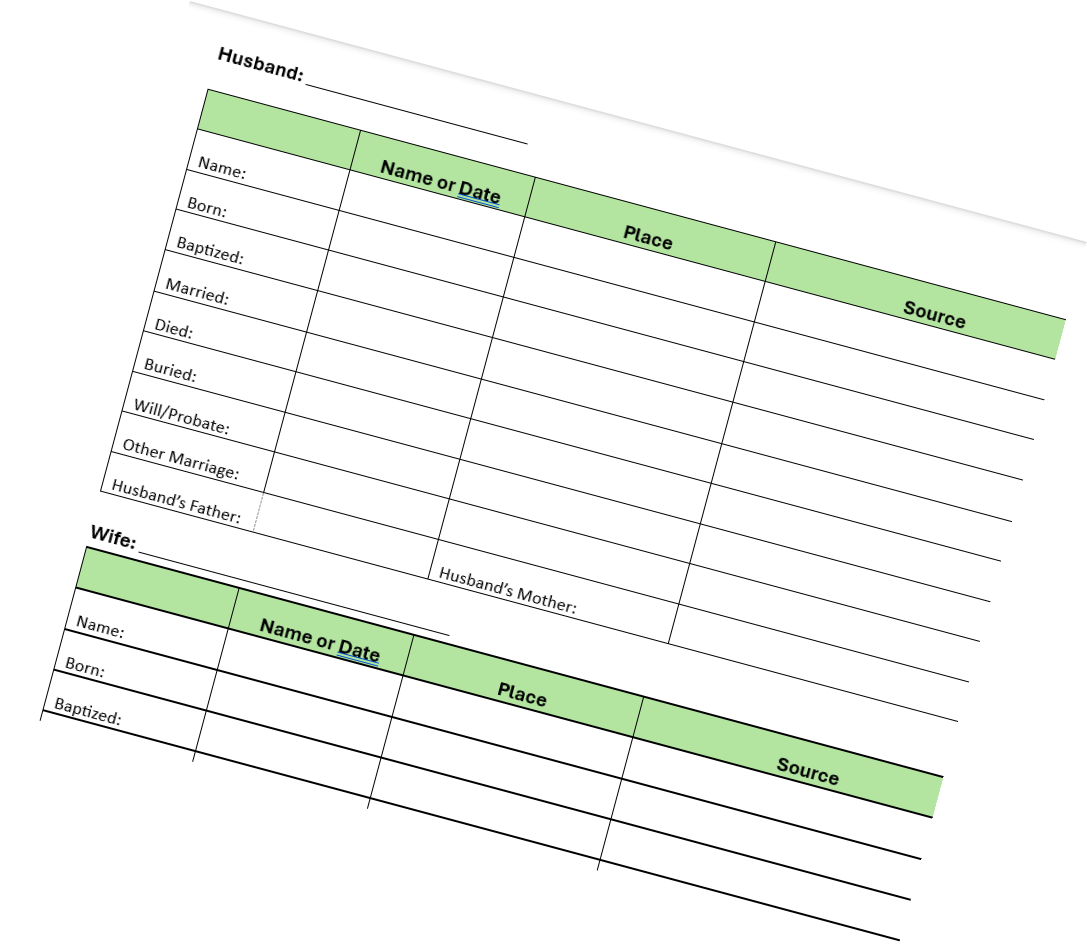
Along with your Family Tree, the Family Group Record is an essential genealogical tool. The FGR is a form that is used to record the details of one family: typically a husband, wife and their children. Importantly, it is an easy and consistent way to track the sources of your information. We have a template you can start with, but add any other information you find about the people included.
There will be people in your FGRs that aren’t on your family tree, so this is a way to include information about siblings and other family who are not direct ancestors of your Starting Person. They can provide valuable links to more facts about your family.
Searching At Home
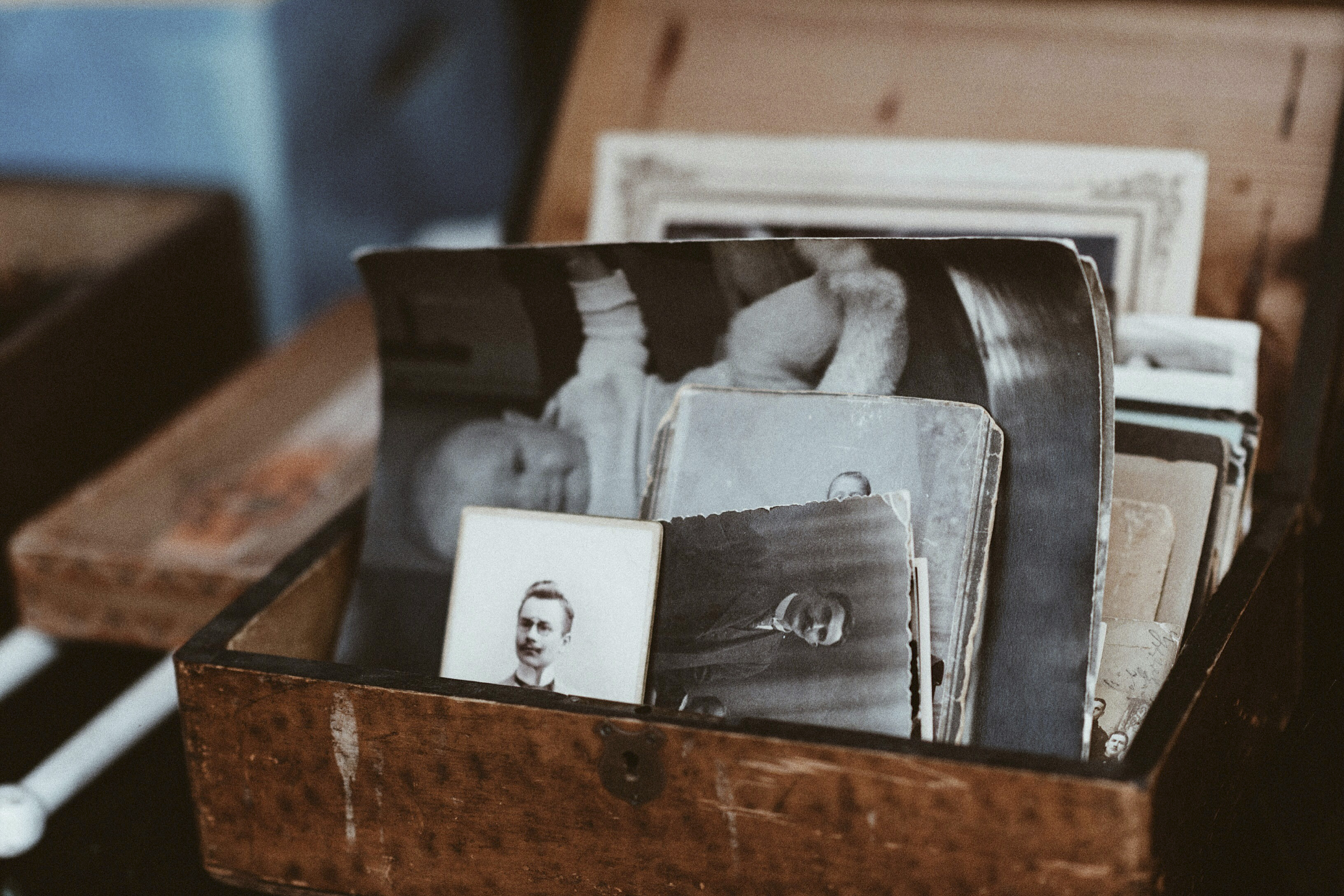
Many families have lots of photos and documents in their homes. Often, they haven’t been explored recently. You can find details about your relatives in these and in unexpected places like old luggage, hat boxes and desk drawers.
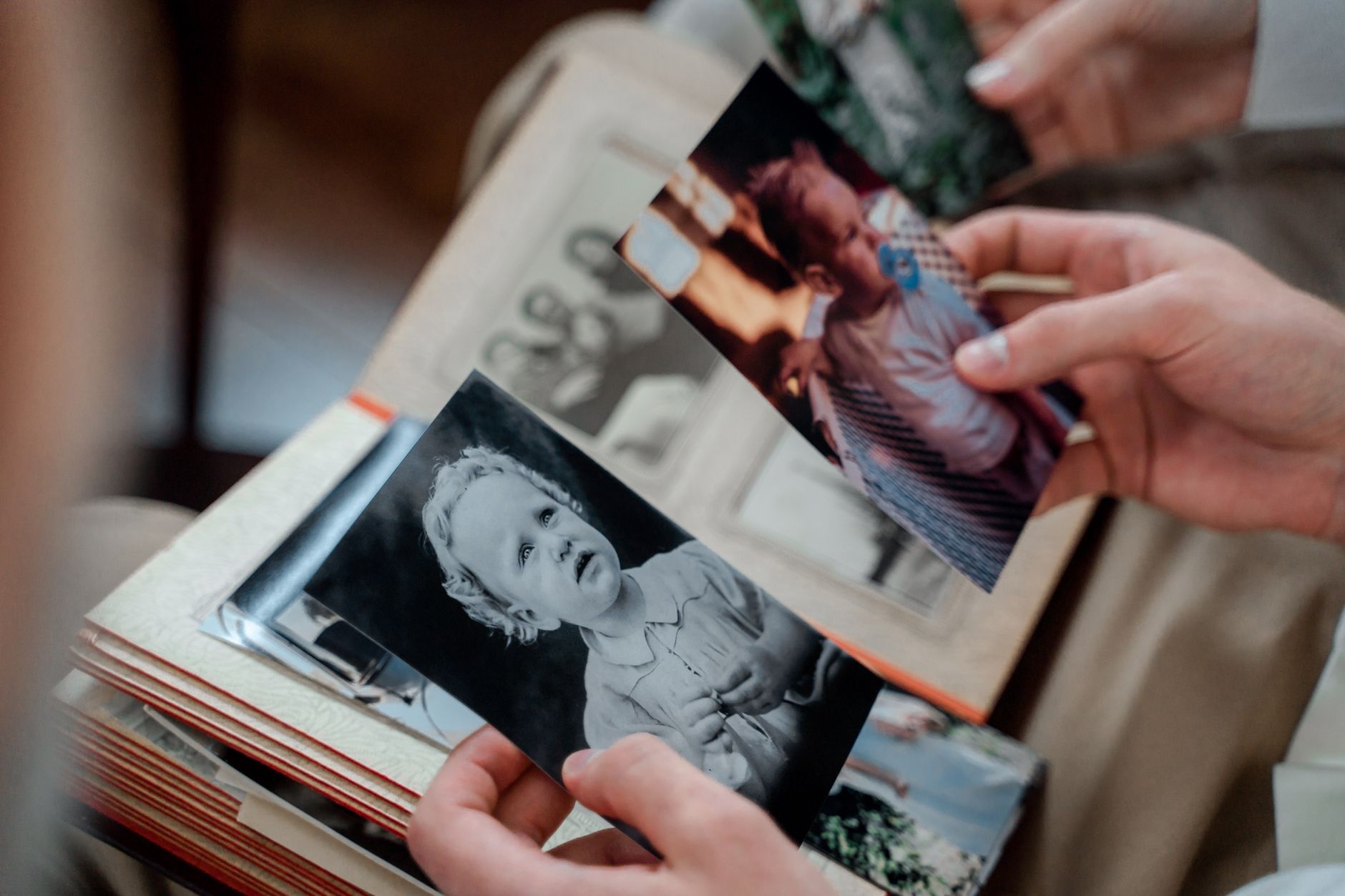
Photo Albums & Scrapbooks
Pictures and paper clippings can help bring back names and places that you may have forgotten.
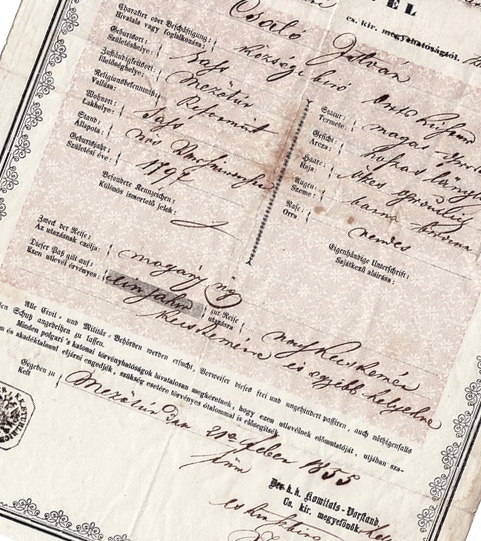
Official Documents
A birth, marriage or death certificate can be a goldmine of genealogical information.
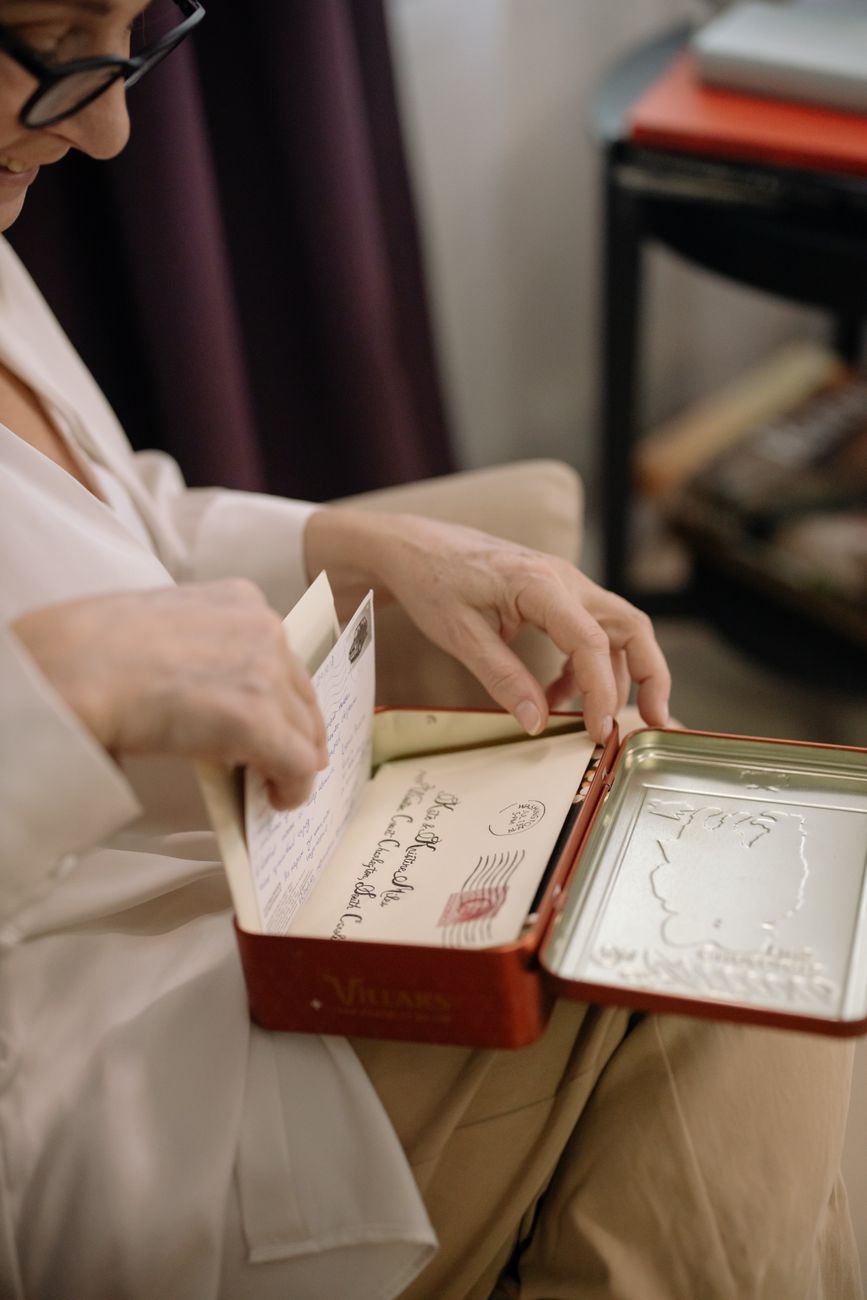
Letters and Address Books
Old letters, guest books and address lists can reveal new relatives, locations, and dates.
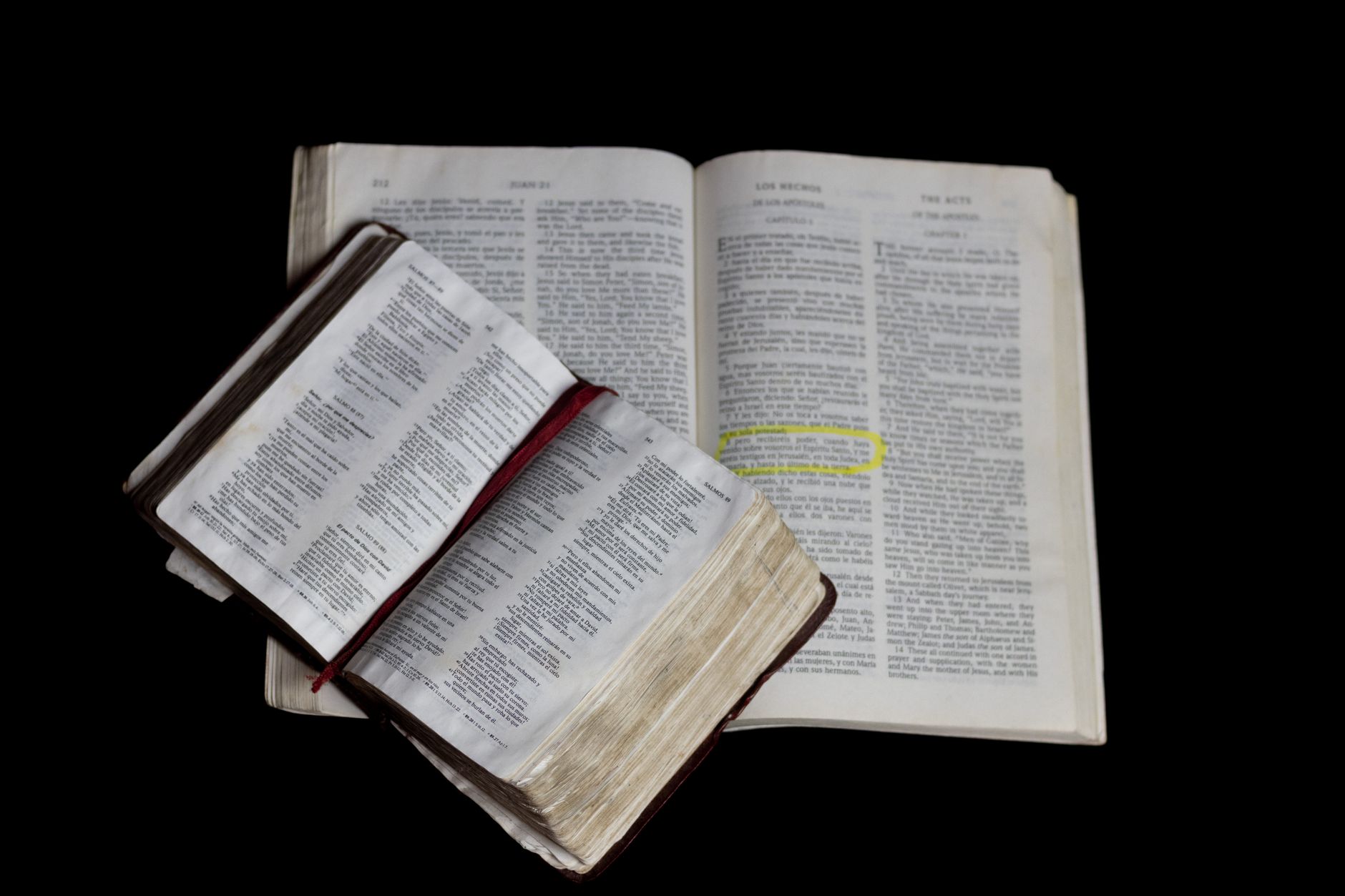
Family Bibles
Check special record pages AND the margins and endpapers for notes about births and deaths.
Online Research
The internet allows genealogists to discover documents and records across the world. As with anything, not everything you find online will be correct, but online research opens amazing possibilities for learning about your family. You can find everything from official birth certificates to family trees created by distant family members.
Here are some places to begin your online research:
FamilySearch.org
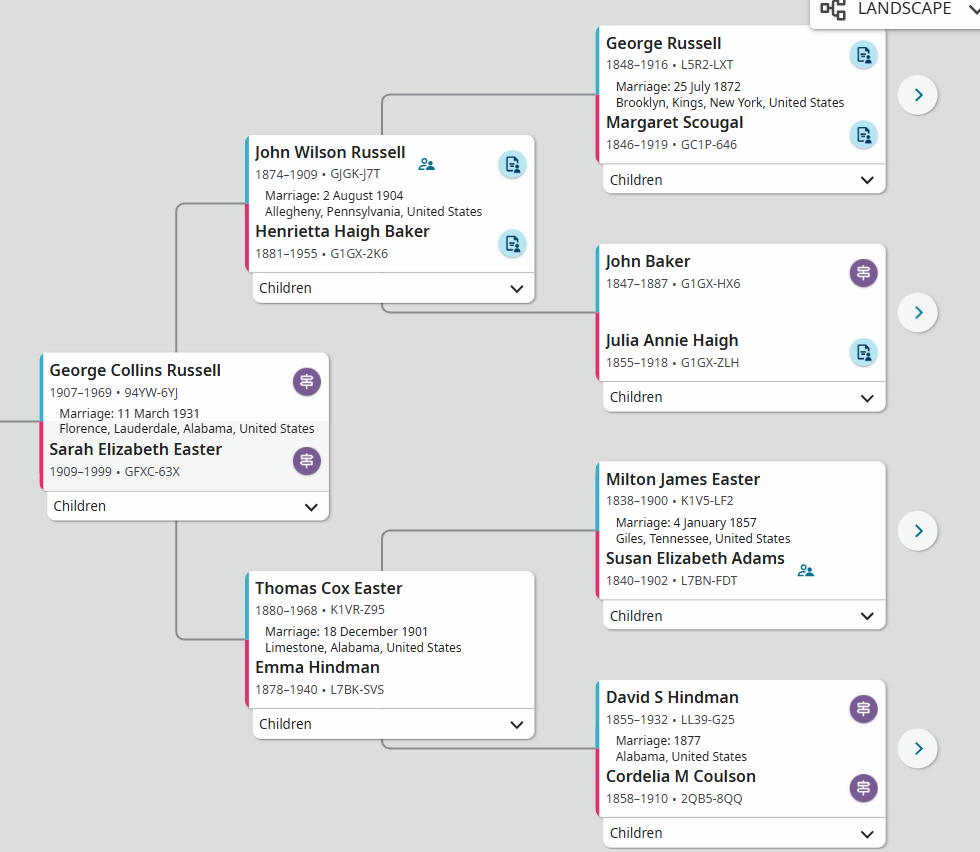
FamilySearch.org is the largest free database of genealogical records with transcriptions of certificates and links to census records. It also provides family trees created by others, such as the one of our family pictured here.
National Archives
The National Archives are the repository of records of the US government, including the Federal census (1790–1950), military records, immigration and passenger lists and naturalization records. It provides useful information for genealogists about how to use the records.
Find a Grave
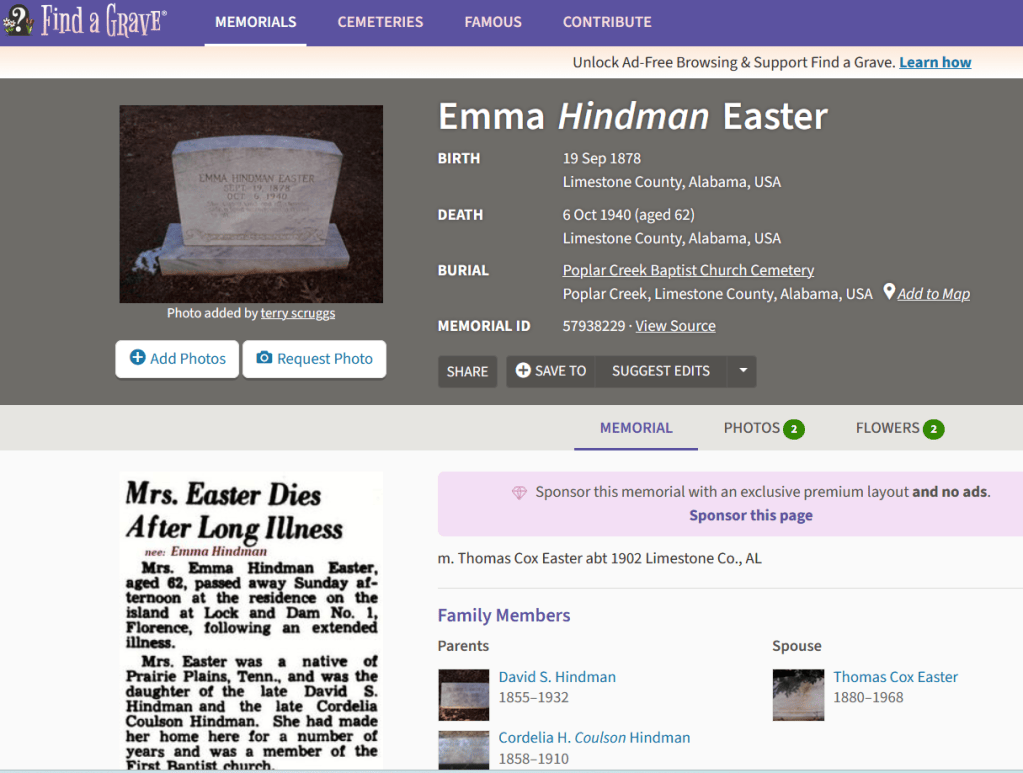
Find a Grave is a free site that provides details about cemeteries and many of the people buried in them. Records generally include birth, death and burial information and may include pictures, biographies, family information and more, such as this example from the site. Members of the site contribute what they know about the people listed.
National Genealogical Society
While not a resource for finding records, the National Genealogical Society is an educational organization aimed at teaching people how to research their family’s history. They have a number of free materials to help you get started, including templates and tutorials.
Ancestry (subscription required)
Ancestry is a site that enables you to create a family tree, search public records and see other people’s ancestral charts, as well as their sources. You can also use a DNA sample to connect with relatives. Ancestry requires a membership, but provides an online platform to build a family tree, collaborate with other, store your sources and research your relatives in one place. There are some free resources available through the site.

